
Understanding Health Code Compliance for Commercial Kitchens
Running a successful restaurant or food service operation involves more than just serving delicious food. One of the key components is ensuring that your commercial kitchen meets all health code requirements. Compliance with health codes not only protects your customers but also maintains your establishment's reputation and avoids costly fines. In this article, we’ll explore the essentials of health code compliance for commercial kitchen equipment, specifically focusing on what restaurant owners in Michigan need to know.
The Importance of Compliance
Why Compliance Matters
Health code compliance is crucial for several reasons. Primarily, it ensures the safety and well-being of customers by minimizing the risk of foodborne illnesses. Non-compliance can lead to severe penalties, including hefty fines, temporary closure, or even permanent shutdowns. Moreover, maintaining high standards of cleanliness and safety enhances your restaurant's reputation, encouraging repeat business and positive reviews.
Legal Implications
Every state, including Michigan, has specific regulations and standards that must be adhered to. These regulations are enforced by local health departments and are designed to maintain public health standards. Failure to comply can result in legal action, making it essential for restaurant owners to stay informed and proactive about health code requirements.
Key Areas of Health Code Compliance
Equipment Maintenance and Sanitation
The condition of your commercial kitchen equipment plays a significant role in health code compliance. Regular maintenance and sanitation of appliances such as ovens, refrigerators, and dishwashers are mandatory.
Refrigeration Units: Ensure that your refrigeration units are operating at the correct temperatures to prevent bacterial growth. Regular cleaning and defrosting are also necessary to maintain efficiency and hygiene.
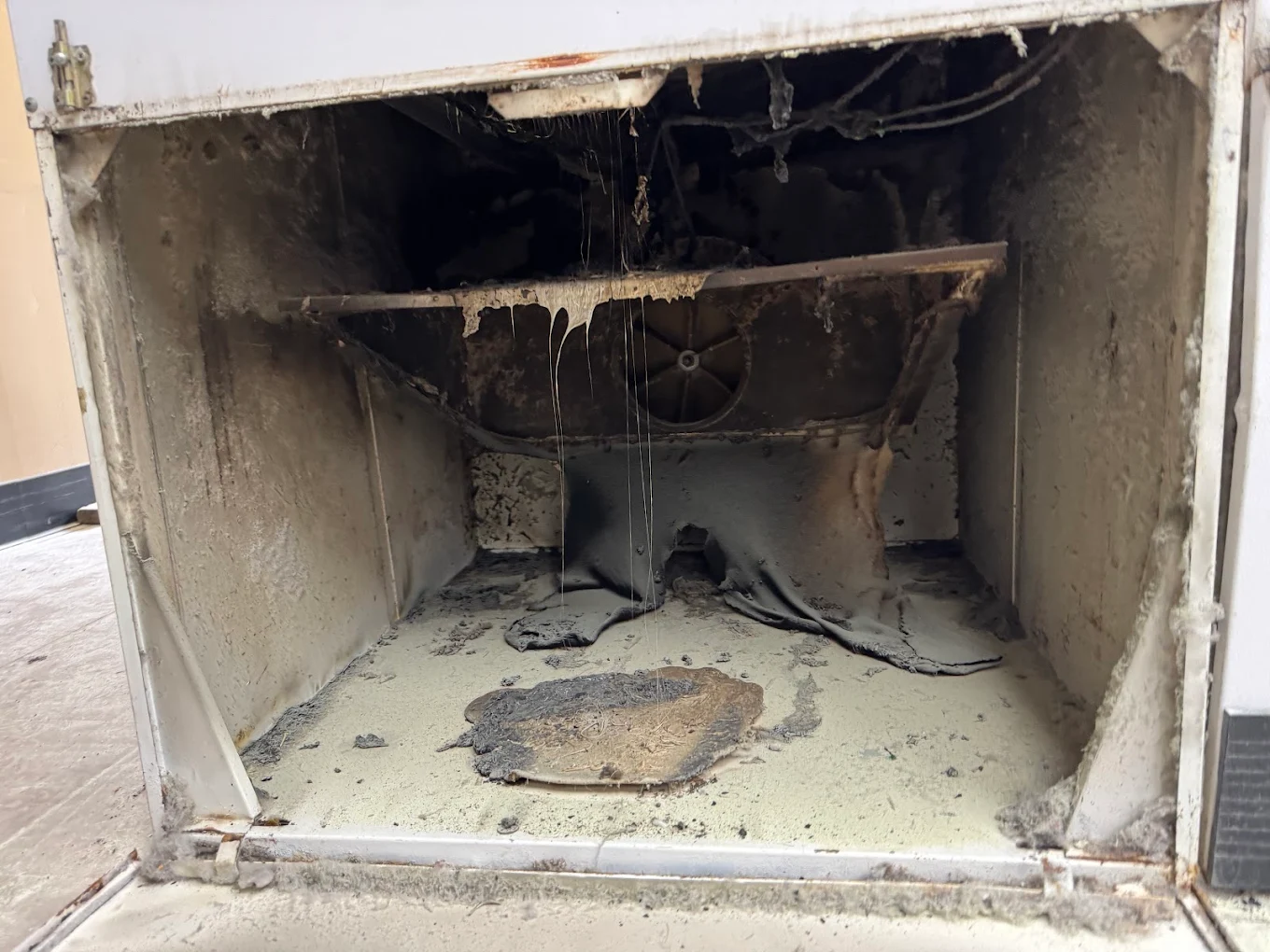
Cooking Equipment: Ovens, grills, and fryers must be cleaned regularly to prevent grease buildup, which can be a fire hazard and lead to contamination.
Dishwashers: Regularly inspect and clean your dishwasher to ensure it is sanitizing dishes effectively. Check for any leaks or malfunctions that could compromise hygiene standards.
Ventilation and Air Quality
Proper ventilation is critical in a commercial kitchen to control smoke, steam, and odors. It also prevents the buildup of grease and reduces the risk of fire hazards.
Hood Systems: Clean and maintain hood systems regularly to ensure efficient removal of smoke and grease-laden vapors. Filters should be cleaned or replaced monthly.
Air Ducts: Regular inspection and cleaning of air ducts prevent dust and debris buildup, ensuring good air quality and compliance with health codes.
Food Storage and Handling
Food storage and handling are under constant scrutiny by health inspectors. Proper procedures must be followed to prevent cross-contamination and ensure food safety.
Storage Temperatures: Keep perishable items at the right temperatures. Refrigerators should be set below 40°F, and freezers should maintain a temperature of 0°F or lower.
Labeling and Dating: Implement a strict labeling and dating system for all food products to track freshness and prevent the use of expired items.
Cross-Contamination Prevention: Use separate cutting boards and utensils for raw and cooked foods. Train staff on proper handwashing techniques and the use of gloves.
Training and Documentation
Employee Training
Your staff plays a pivotal role in maintaining health code standards. Regular training sessions should be conducted to educate employees on hygiene practices, equipment operation, and emergency procedures.
Hygiene Practices: Train staff on proper handwashing, use of personal protective equipment (PPE), and sanitation of workstations.
Equipment Training: Ensure employees are familiar with operating and cleaning all kitchen equipment according to manufacturer guidelines.
Record Keeping
Maintaining detailed records is essential for demonstrating compliance during health inspections.
Maintenance Logs: Keep logs of all maintenance activities, including equipment repairs, cleaning schedules, and inspections.
Training Records: Document all employee training sessions and certifications to show your commitment to ongoing education and compliance.
Preparing for Health Inspections
Routine Self-Inspections
Conduct regular self-inspections to identify potential compliance issues before a health inspector does. Create a checklist based on local health department guidelines and address any concerns immediately.
Responding to Violations
If a health inspection reveals violations, respond promptly and take corrective action. Develop a plan to address the issues, document your actions, and implement measures to prevent recurrence.
Partnering with Professionals
Hiring a Compliance Consultant
Consider hiring a compliance consultant to conduct thorough audits of your commercial kitchen. These professionals are well-versed in local health codes and can offer valuable insights to ensure your equipment and practices meet all requirements.
Regular Equipment Maintenance Services
Partner with a reputable appliance repair service for regular maintenance of your commercial kitchen equipment. This proactive approach can prevent unexpected breakdowns and ensure compliance with health codes.
Conclusion
Health code compliance is a critical aspect of running a successful restaurant in Michigan. By understanding the regulations, maintaining your equipment, training your staff, and keeping detailed records, you can ensure that your commercial kitchen operates safely and efficiently. Investing time and resources into compliance not only protects your customers but also safeguards your business's future. Stay informed, stay prepared, and your restaurant will thrive in the competitive food service industry.
Keep your commercial kitchen equipment compliant and up to standard with UDG Services. Our expert team is here to help you navigate health code requirements and ensure your equipment is in top condition. Contact us today to schedule an inspection or learn more about our services. Your success is our mission—let's keep your kitchen running smoothly and safely.
What are the key health code requirements for commercial kitchens?
Key requirements include maintaining proper food temperatures, regular equipment maintenance, and ensuring cleanliness to prevent contamination.
How often should commercial kitchen equipment be inspected?
It's recommended to schedule at least annual inspections, though more frequent checks can help prevent issues and ensure ongoing compliance.
What are the consequences of failing health code inspections?
Consequences include fines, mandatory closures, and potential damage to your establishment's reputation.
How can I ensure my kitchen staff complies with health codes?
Regular staff training and clear communication of health code standards are essential for maintaining compliance.
Where can I find health code regulations for Michigan?
Health code regulations can be found on the Michigan Department of Health and Human Services website or through local health departments.