
Understanding the Basics: Top-Load vs. Front-Load Washers
When it comes to choosing a washing machine, homeowners often find themselves torn between top-load and front-load models. Each type has its own advantages and unique features, influencing not only the washing experience but also the repair process. Understanding these differences will help you know what to expect when seeking "top load washer repair near me" or "front load washer repair West Michigan."
Top-Load Washers: A Classic Choice
Top-load washers are traditional machines that have been a staple in laundry rooms for decades. They are known for their simplicity and ease of use. With the door located on the top, loading and unloading clothes can be more convenient for those who prefer not to bend down.
Common Repair Issues
Agitator Problems: The agitator is a central post in the drum that moves clothes around. Over time, it can become loose or malfunction, leading to ineffective cleaning.
Lid Switch Failures: The lid switch acts as a safety feature, preventing the washer from operating when the lid is open. If this switch fails, the machine won't start.
Motor Coupling Wear: The motor coupling connects the motor to the transmission. It's designed to break if the washer is overloaded, protecting the motor, but it can also wear out over time.
Front-Load Washers: The Modern Marvel
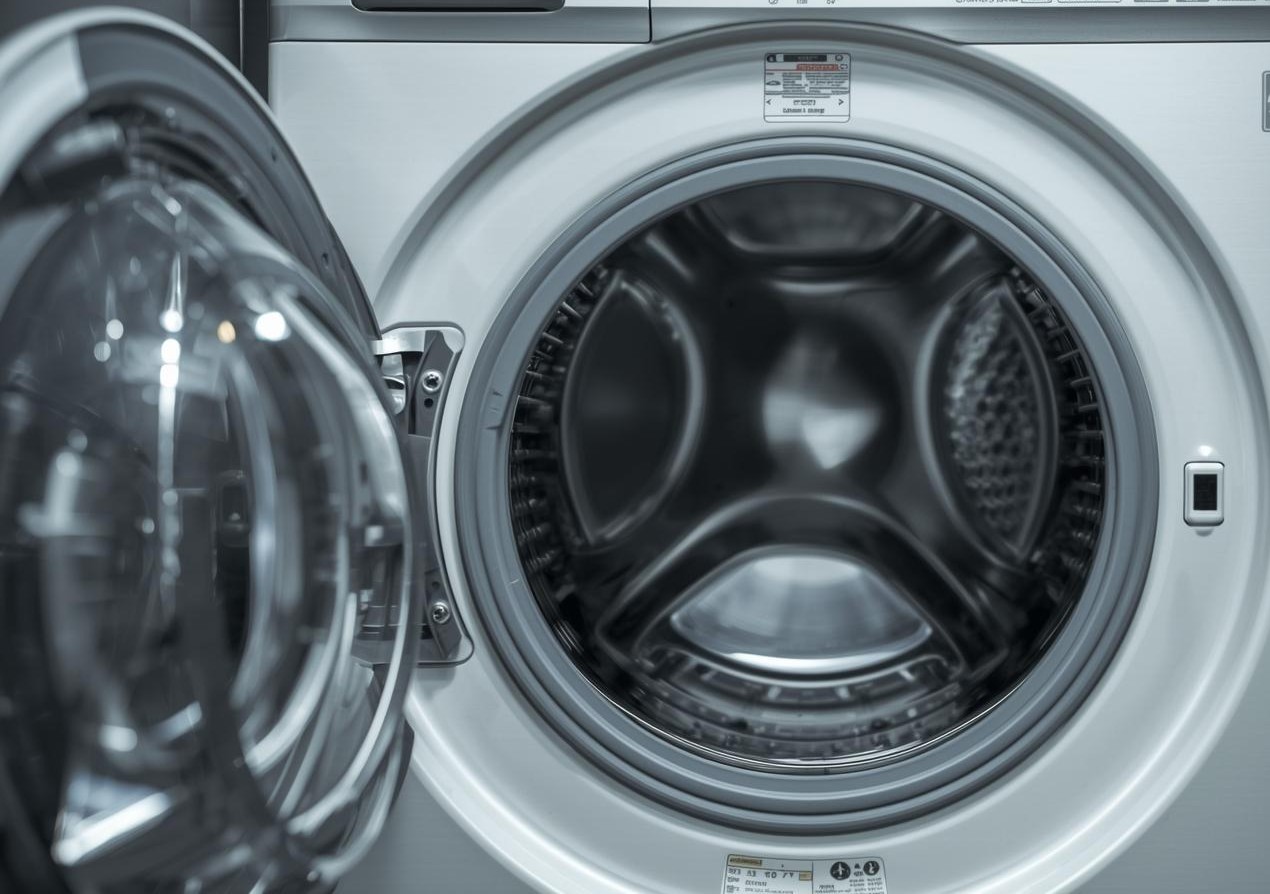
Front-load washers have gained popularity for their energy efficiency and superior cleaning performance. The door is located on the front, and the drum rotates horizontally, using gravity to tumble clothes.
Common Repair Issues
Door Seal Leaks: The rubber gasket around the door can wear out or become damaged, leading to leaks.
Drain Pump Issues: Front-load washers are prone to drain pump problems, often caused by debris or small clothing items clogging the pump.
Bearing and Drum Issues: Over time, the bearings that allow the drum to spin smoothly can wear out, leading to noisy operation or even drum misalignment.
Differences in Repair Processes
The repair processes for top-load and front-load washers vary significantly due to their structural and functional differences. Here's what to expect when you need to call in the professionals.
Access and Disassembly
Top-Load Washers: These machines often offer easier access to internal components. The top panel can usually be lifted to access the drum, motor, and other parts, making repairs like replacing the motor coupling or lid switch relatively straightforward.
Front-Load Washers: Repairs can be more complex due to the machine's design. Accessing components often requires removing the front panel or even the entire back panel, particularly for issues like drum or bearing repairs.
Diagnostic Approaches
Top-Load Washers: Diagnosing issues is often simpler due to the machine's straightforward mechanics. Common problems like agitator malfunction or motor issues are typically easy to identify.
Front-Load Washers: Diagnosis can be more involved, requiring the technician to check multiple components such as the door seal, drain pump, and electronic controls. Advanced issues might require specialized diagnostic tools.
Cost Considerations
The cost of repairs can also differ between top-load and front-load washers, influenced by factors such as parts availability, complexity of repairs, and labor time.
Top-Load Washer Repair Costs
General Repairs: Typically, top-load washer repairs are less expensive due to the simplicity of the machine. Common repairs like replacing the lid switch or motor coupling are generally affordable.
Parts Availability: Parts for top-load washers are often more readily available and less expensive, contributing to lower repair costs.
Front-Load Washer Repair Costs
Complex Repairs: Due to their advanced design, front-load washers can be more costly to repair. Issues like drum bearing replacements are labor-intensive and require specialized knowledge.
Higher Parts Costs: Parts for front-load washers, especially those involving the drum or electronic controls, can be more expensive, increasing the overall repair bill.
Preventive Maintenance Tips
To minimize the need for repairs and extend the lifespan of your washer, consider adopting some preventive maintenance practices.
For Top-Load Washers
Avoid Overloading: Overloading can strain the motor and agitator, leading to premature wear and tear.
Clean the Drum Regularly: Run an empty cycle with hot water and vinegar to clean the drum and remove any buildup.
Inspect the Lid Switch: Periodically check the lid switch for any signs of wear or damage.
For Front-Load Washers
Clean the Door Seal: Regularly wipe down the door seal to prevent mold and mildew buildup.
Check the Drain Pump: Periodically inspect the drain pump for any obstructions or debris.
Balance the Machine: Ensure the washer is level to prevent excessive vibration and wear on the drum bearings.
When to Call a Professional
While some minor issues can be addressed with DIY solutions, many washer problems require professional intervention to ensure safe and effective repairs.
Signs You Need a Technician
Persistent Leaks: Whether it's from the door seal of a front-load washer or another area, persistent leaks need professional attention.
Unusual Noises: Loud banging or grinding noises during cycles could indicate serious issues like motor or bearing failure.
Non-Responsive Controls: If the washer's controls aren't responding, it could be an electrical issue requiring a technician's expertise.
Choosing a Reliable Repair Service
When looking for "top load washer repair near me" or "front load washer repair West Michigan," it's important to select a reputable service provider. Here are some tips:
Research and Reviews
Check Credentials: Ensure the service provider is certified and experienced in repairing your specific washer model.
Read Customer Reviews: Look for feedback from previous clients to gauge the quality and reliability of the service.
Warranty and Guarantees
- Service Guarantee: Choose a repair service that offers a warranty or guarantee on their work, providing peace of mind in case further issues arise.
Conclusion
Understanding the differences between top-load and front-load washers not only helps in making an informed purchase decision but also prepares you for potential repair scenarios. By being aware of common issues, repair processes, and maintenance tips, you can ensure your washer remains in optimal condition for years to come. Whether you're in need of "front load washer repair West Michigan" or "top load washer repair near me," choosing a skilled and experienced technician will help get your appliance back in working order efficiently and effectively.
Facing issues with your washer? Whether it's a top-load or front-load, our expert repair services in Grand Rapids, MI, are here to help. As a veteran-owned business, we pride ourselves on reliability and expertise. Contact us today for fast and efficient solutions tailored to your needs!
What are common top-load washer problems?
Top-load washers often experience issues like agitator malfunctions, lid switch failures, and water drainage problems.
How do front-load washers differ in repair needs?
Front-load washers may suffer from door seal leaks, drum issues, and motor problems, which require specific repair approaches.
Which type of washer is more durable?
Durability can depend on the model and usage, but front-load washers generally offer more advanced technology and efficiency.
Can I repair washers myself or should I hire a professional?
While minor issues can sometimes be fixed DIY, it is often best to consult a professional for safety and to avoid further damage.
How do I choose the right repair service in West Michigan?
Look for experienced, local services with good reviews and clear communication, such as UDG Services, a veteran-owned appliance repair business.